



Every birthday and special occasion, Tiffany’s family would end up at the same little family-owned Mexican restaurant. They knew the menu inside and out, and the staff knew their go-to orders and always remembered to leave the onions out of Tiffany’s meal without her having to ask. Her family never felt like just another table. She has so many happy memories lingering to chat with the staff who would remark on how much she and her sisters were growing, and ask after her parents’ work.
When she was old enough to make her own dinner reservations, she’d bring her friends to gossip over chips and salsa and margaritas.
We’ve always loved businesses like that, and we know we’re not alone.
There’s a reason so many of us not only support but go out of our way to shop at independent bookstores, frequent mom and pop restaurants, and wander through our neighborhood farmers markets. We love the care, the personality, the craftsmanship, and the feeling that comes with supporting the very real people behind those businesses.
But what about our digital communities and the online spaces we frequent?
What if we bring the same “shop small” mentality to the applications and tools we use every day?
The two of us have been thinking about this a ton as we build our own software businesses.
We want to connect with the people bringing those same small-business values to software: craftsmanship, quality, care for their customers, and a genuine interest in what they’re making and who they’re making it for.
Behind many of our favorite little apps are real people building businesses based on the problems that they’ve experienced in their own lives, ideas they care about, and communities they are passionate about serving. Supporting these businesses means supporting their livelihoods, their creativity, and their ability to keep making things that might otherwise not exist.
And as consumers, there’s plenty to love about these smaller, independent builders too.
Let’s take Rebecca as an example. She launched Orbit this year and immediately started a group chat for its earliest users. The group chat is always active with folks chiming in to get to know each other, share how we’re using the app, and ask questions. Rebecca is right there taking our feedback and ideas, often cranking out new features or working through bugs–usually with just a few hours between first mention and an app update!
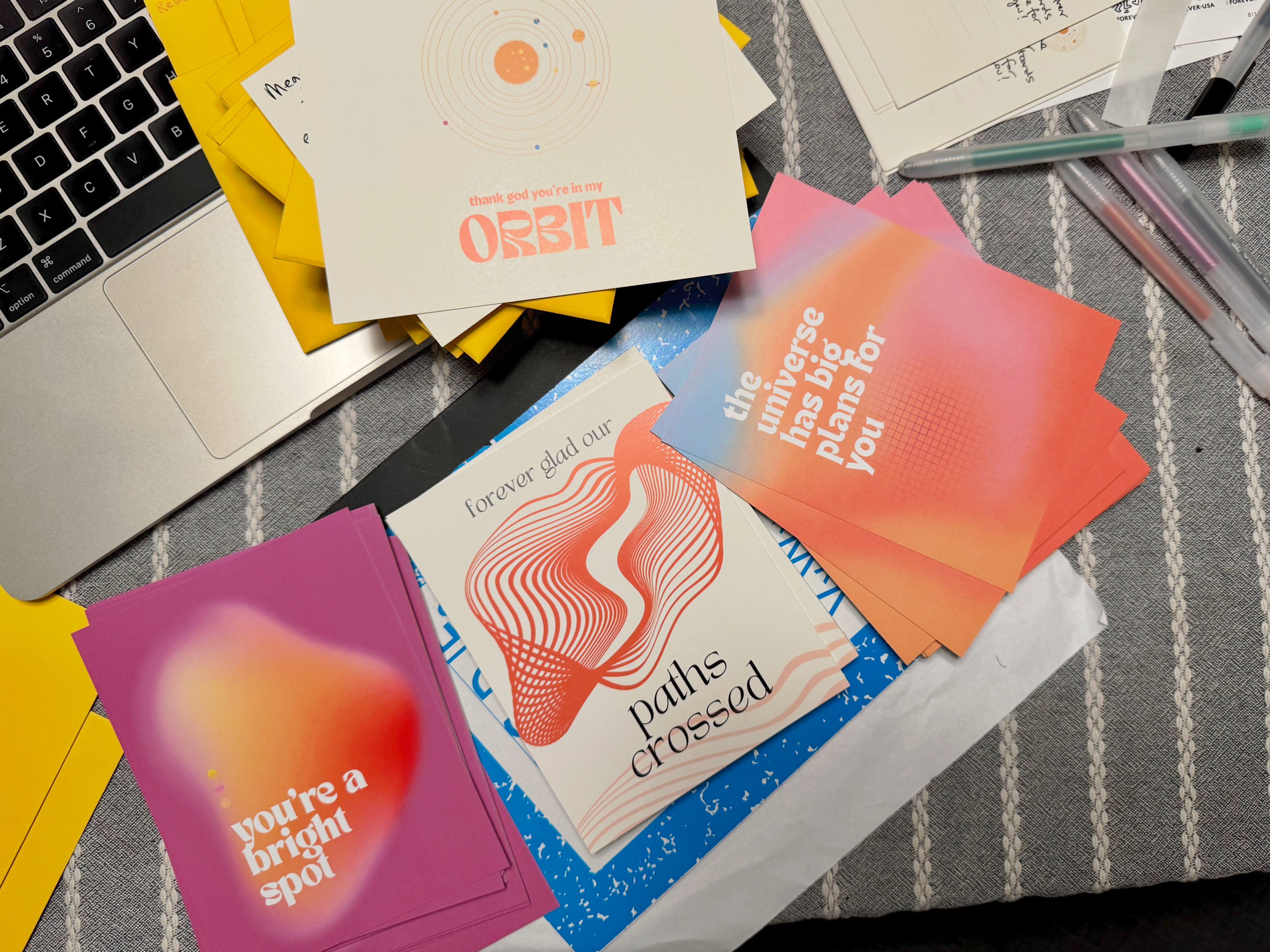
Not only is she providing excellent customer service, but she’s also able to make her product better because she’s building relationships with the people she’s building for and can hear from them directly and frequently.
She’s operating in the same way we’ve come to know and love from our favorite small businesses and it’s so refreshing because we aren’t used to expecting that from our software.
But we think there’s an opportunity to change that. The same independence that allows small software makers to serve their customers differently also allows them to build their businesses differently.
Small software doesn’t have to become big software
One of the things we love about building our businesses is that we don’t see them as startups. Neither of us is angling for an exit (and Rebecca doesn’t even really like calling herself a founder).
We want to build things we enjoy making, for people we enjoy working with, and to, of course, make money doing it.
We are inspired and moved by so many women starting their own expertise-based businesses. Like them, we’re dreaming of a business that fits into our lives. We’re not looking to recreate the same experience we’ve had in our respective corporate careers.
So when we think of what we’re doing as small business owners, we get to make different choices.
We don’t have to charge the most we possibly can, or automate every customer interaction because they’re time consuming. If we want people to be able to DM directly with questions or ideas, they can! If we want to send handwritten cards to everyone who subscribes, we can do that too (and Rebecca has–read about that here.)

Neither of us think that small software businesses are automatically better than big ones; but more so that those of us building small businesses have the freedom to decide what kind of experience we want our customers to have.
And there’s something especially wonderful about doing this with software.
An app keeps helping people whether you’re sitting at your computer or not, whether you write that week or not, whether you’re on Zoom calls with folks or on vacation.
Which, again, gives you more freedom to choose where you spend your time and invest in the parts of the business you enjoy.
And we’re also at a pivotal moment for small online businesses.
AI has made it astronomically more affordable to turn an idea into a product. You don’t necessarily need a technical background, a team of engineers, or venture capital. You can build something yourself, or work with someone (like Rebecca) to bring your idea to life.
At the same time, so many folks are talking about AI automating their business - handling customer support, marketing, sales, content creation - a swarm of agents moving us forward.
But what if we approach it a little differently?
Yes, let it run parts of the back office so you’re freed up. We want to use technology to take care of the work that doesn’t need us in order to free up more time to focus on the parts of our businesses that do.
It’s more important to us than ever that whatever comes from this AI revolution lifts people running businesses like this up.
We’d love to see more women who have spent years developing expertise, building audiences, and serving clients consider software as part of their small businesses.
Not because everyone needs to become an engineer, but because we have the opportunity now to run small businesses that allow us to have fun, showing up for the people we serve, in an intimate, human experience, without sacrificing profitability or stability.
Let’s Bring the Shop Small Movement Online
Of course, we’re not interested in championing software solely because it’s independently made.
We want to connect with other builders who are bringing those same small business values to our digital lives.
Substack is a really special platform. When you log on, it’s almost like the digital equivalent of walking through a farmer’s market. Each creator has their own little stall–the offerings as varied as the market lineup of fresh tomatoes and handcrafted jewelry.
If not here, then where better to extend the shop small movement to our digital lives?
So, if you love independent software:
Tell us what you’re using and why! What’s your favorite app or tool? Who’s behind it? Why do you love it?
Your recommendations will help us put together a Substack List of independent software makers so more people can discover the humans behind the apps they use.
If you’re building independent software:
Say hi! We want to meet you and learn about what you’re making and why. We’re especially interested in hearing from folks who share this vision and are interested in collaborating on future articles, features, or other ways to champion small software.
Rebecca Spitzer builds small software businesses, including Orbit for Substack writers and Magpie Guides for creators with expertise to share. She writes at What’s Working Right Now about building a portfolio of small, profitable products - and how more women can use technology to build businesses around the lives they want.
Tiffany Soroko is the founder of Time Spent Studios, an independent software studio creating thoughtful, voice-first apps centered on how we spend, experience, and organize our time. She writes Time For It All, exploring our relationship with time and what it means to live well, and shares personal essays and other musings at From the Desk of Tiffany Soroko.
Handwritten postcards to the first 50 users is such a good detail. That is the kind of thing a big company could never copy, even if it wanted to.
Such a wonderful idea!
I love that there are so many more opportunities to buy software from small businesses, too!